
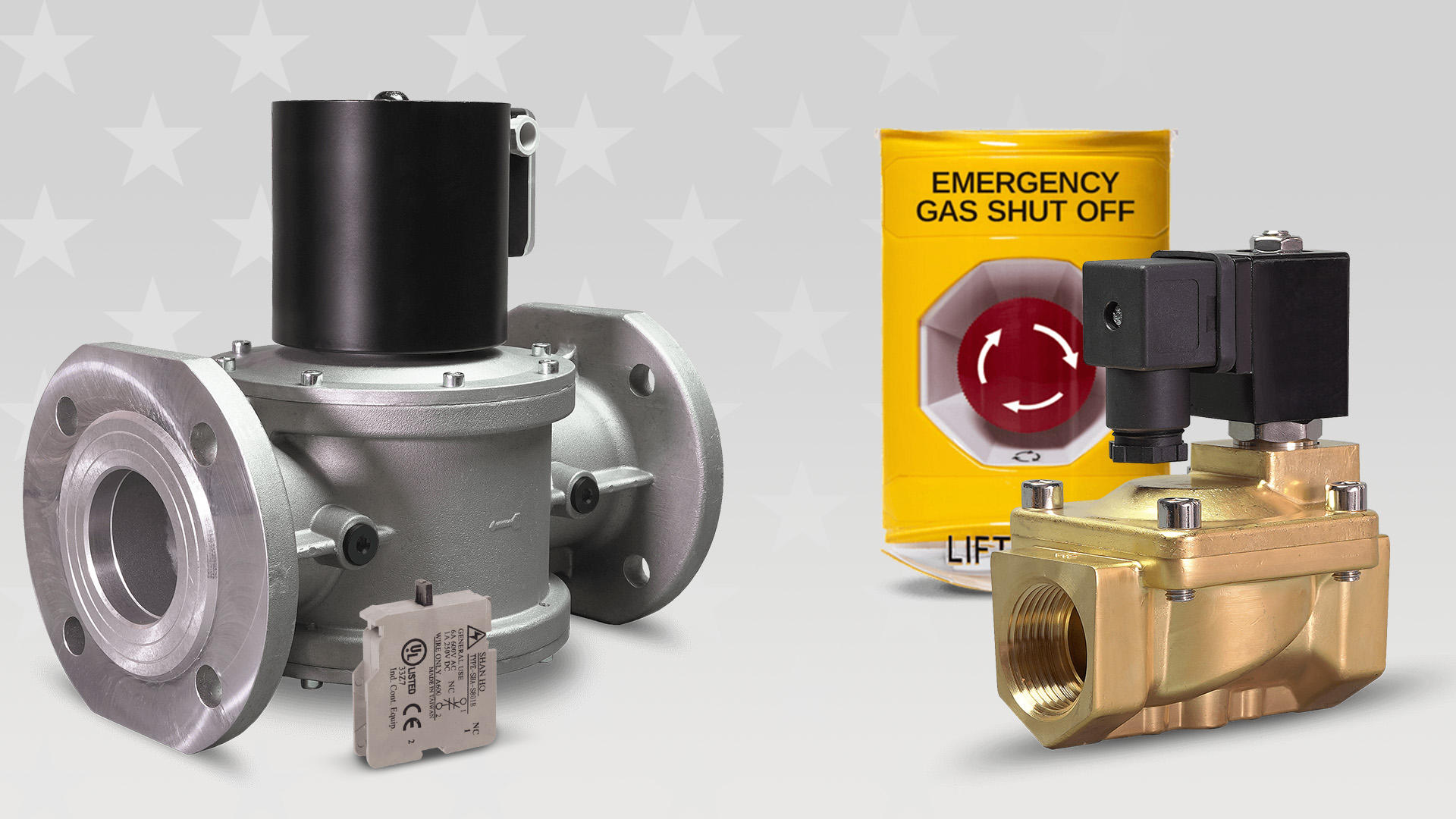
What Is Gas Shut Off? Comprehensive Guide
Over 60 million american homes rely on natural gas for heating or cooking, making gas shut-off mechanisms a crucial line of defence against accidents. A single valve can prevent fires, explosions, and life-threatening leaks that put families and workers at risk. Understanding how these protective systems work helps everyone – from facility managers to homeowners, make informed choices about safety and compliance for any environment.
—
Table of Contents
- Definition Of Gas Shut Off Purpose
- Manual Shut Off Operation Basics
- Automatic Valve Types Explained
- Industrial Vs Residential Valve Selection
- Risks, Safety, And Compliance
—
Key Takeaways
| Point | Details |
|---|---|
| Importance of Gas Shut Off | Gas shut off mechanisms are essential for preventing dangerous gas leaks and ensuring safety in various environments. |
| Manual Shut Off Procedures | Understanding and executing manual shut off procedures is critical for emergency response and safety management. |
| Types of Automatic Valves | Automatic gas shut-off valves, such as seismic and pressure differential valves, enhance safety by autonomously interrupting gas flow under hazardous conditions. |
| Industrial vs Residential Needs | Different operational requirements necessitate tailored gas shut-off valve selections for industrial and residential applications. |
—
Definition of Gas Shut Off Purpose
A gas shut off represents a critical safety mechanism designed to immediately interrupt gas flow during potential hazardous conditions. These specialized valves serve as essential protective devices in industrial, commercial, and residential environments where uncontrolled gas release could pose significant risks to human safety and equipment integrity.
At its core, a gas shut off mechanism functions as an emergency control system that rapidly stops gas transmission when abnormal conditions are detected. Industrial gas networks rely on these safety devices to prevent potential catastrophic scenarios such as gas leaks, pressure irregularities, or unexpected system failures. The primary purposes include:
- Preventing dangerous gas leaks
- Protecting personnel from potential exposure
- Minimizing equipment damage
- Enabling controlled maintenance procedures
Shut off valves operate through sophisticated sensing mechanisms that can detect multiple warning indicators, including:
- Sudden pressure changes
- Abnormal temperature fluctuations
- Unexpected gas flow rates
- System component malfunctions
When these indicators exceed predetermined safety thresholds, the valve automatically triggers a complete gas flow interruption, effectively isolating the potentially compromised section of the gas network. This rapid response mechanism transforms these valves from simple mechanical components into critical safety infrastructure that protects both human life and industrial assets.
—
Manual Shut Off Operation Basics
Manual gas shut-off procedures are critical safety protocols that every facility manager and maintenance professional must understand. Emergency stop systems provide multiple mechanisms for quickly interrupting gas flow during potential hazardous situations, with manual intervention serving as a primary emergency response strategy.
To execute a manual gas shut off, technicians must first identify the primary shut-off valve, which is typically located near the gas meter or main supply line. Gas meter shut-off procedures require specific tools and precise techniques:
- Locate the main gas shut-off valve
- Use a crescent wrench for valve manipulation
- Turn the valve a quarter turn until it is perpendicular to the pipe
- Verify complete gas flow interruption
Critical safety considerations during manual shut-off include:
- Wearing appropriate personal protective equipment
- Ensuring proper ventilation
- Avoiding potential ignition sources
- Understanding specific valve type and mechanism
Professional technicians must be trained to recognize different valve types, understand their operational mechanisms, and execute shut-off procedures swiftly and safely. Some industrial settings require specialized knowledge, with valves positioned in complex configurations that demand precise intervention techniques.
—
Automatic Valve Types Explained
Automatic gas shut-off valves represent sophisticated safety technologies designed to protect industrial and residential environments from potential gas-related hazards. These advanced systems autonomously interrupt gas flow when specific triggering conditions are detected, providing critical protection beyond manual intervention.
One prominent example of automatic shut-off technology is the earthquake valve, which provides specialized protection during seismic events. These intelligent devices automatically seal gas lines when significant ground movement is detected, preventing potential gas leaks that could lead to catastrophic fires or explosions.
The primary types of automatic gas shut-off valves include:
- Seismic Shut-Off Valves: Triggered by ground acceleration
- Pressure Differential Valves: Respond to abnormal pressure changes
- Temperature-Sensitive Valves: Activate during extreme heat conditions
- Flow Rate Monitoring Valves: Detect unexpected gas flow variations
Additional specialized automatic valves serve specific industrial applications. Blowout preventers represent another critical automatic valve type used in high-risk environments like oil and gas extraction, designed to seal and control potentially dangerous gas releases.
Modern automatic valve systems incorporate advanced sensor technologies and microprocessor controls, enabling rapid and precise responses to potential hazardous conditions. These sophisticated mechanisms can detect minute changes in gas flow, pressure, and environmental conditions, providing multilayered protection for complex industrial and commercial gas distribution networks.
—
Industrial vs Residential Valve Selection
Gas shut-off valve selection requires a nuanced understanding of different environmental demands, with industrial and residential applications presenting distinctly unique requirements. Industrial gas networks demand specialized valve configurations that can withstand extreme operational conditions and handle complex gas transmission scenarios.
Industrial valve selection criteria typically involve:
- Higher pressure tolerance levels
- Resistance to corrosive environments
- Capability of managing multiple gas types
- Enhanced durability for continuous operation
- Rapid response mechanisms
Residential valve requirements, by contrast, focus on different priorities. Residential seismic valves are designed primarily for safety, with mechanisms that automatically interrupt gas flow during specific environmental triggers like ground shaking.
Key differences between industrial and residential valves include:
- Material composition
- Pressure handling capabilities
- Activation sensitivity
- Maintenance complexity
- Cost considerations
Professional engineers and facility managers must carefully evaluate these distinctions, understanding that a valve suitable for an industrial chemical processing plant will differ dramatically from one installed in a residential kitchen or home heating system. The selection process demands comprehensive analysis of operational environment, potential risk factors, and specific performance requirements.
—
Risks, Safety, and Compliance
Gas shut-off systems represent critical safety infrastructure designed to mitigate potential catastrophic risks associated with uncontrolled gas transmission. Understanding the complex landscape of safety protocols requires comprehensive evaluation of potential hazards and stringent compliance requirements across various operational environments.
Bulk LPG installations demand sophisticated pressure management strategies, incorporating advanced regulatory mechanisms that maintain gas supply within precise operational parameters. These systems include multiple layers of protection:
- Over-pressure shut-off mechanisms
- Under-pressure protection protocols
- Redundant safety valve configurations
- Continuous pressure monitoring systems
- Automatic emergency interrupt capabilities
Emergency response protocols are equally critical in managing potential gas-related incidents. Professional intervention remains paramount during gas system disruptions, with specific guidelines emphasizing that only licensed technicians should restore gas flow after an emergency shutdown.
Key compliance considerations for gas shut-off systems include:
- Adherence to national safety regulations
- Regular system performance inspections
- Maintenance of comprehensive operational logs
- Implementation of staff training programs
- Documentation of emergency response protocols
Professional engineers and facility managers must recognize that effective gas safety transcends mere mechanical implementation, requiring a holistic approach that integrates technological sophistication with rigorous procedural standards and continuous professional education.
—
Ensure Safety with Reliable Gas Shut Off Solutions
Understanding the critical role of gas shut off valves in preventing hazardous leaks and equipment damage highlights the importance of choosing trusted, high-quality components. Whether you need manual or automatic valves designed to respond to pressure, temperature, or seismic events, having dependable products is essential for protecting your facility and personnel. The challenges of selecting valves that meet industrial or residential safety standards demand expert solutions that perform with precision every time.
Explore our wide range of certified gas solenoid valves and emergency stop components at Valveshop.us to find the perfect match for your safety system. Act now to ensure fast shipping and professional support tailored for your urgent needs. Visit Valveshop.us today and safeguard your operations with equipment trusted by industry professionals. Learn more about emergency stop systems and reliable valve options by checking out our key resources here and start your order with confidence.
—
Frequently Asked Questions
What is the primary purpose of a gas shut off valve?
A gas shut off valve is designed to immediately interrupt gas flow to prevent dangerous gas leaks, protect personnel, minimize equipment damage, and enable controlled maintenance procedures during hazardous conditions.
How does a manual gas shut off procedure work?
To execute a manual gas shut off, locate the primary shut-off valve near the gas meter, use a crescent wrench to turn the valve a quarter turn until it is perpendicular to the pipe, and verify that gas flow has been completely interrupted.
What are automatic gas shut-off valves and how do they function?
Automatic gas shut-off valves are systems that autonomously interrupt gas flow when specific hazardous conditions are detected, using sensors to respond to changes in pressure, temperature, or flow rate without manual intervention.
What factors should be considered when selecting gas shut-off valves for industrial versus residential applications?
When selecting gas shut-off valves, industrial applications require higher pressure tolerance, resistance to corrosive environments, and enhanced durability, while residential applications focus primarily on safety mechanisms and sensitivity to environmental triggers.
—
Recommended
- Emergency Shut-Off Buttons: Purposes, Variants, and Applications – Solenoid Valve Shop – US
- Emergency Gas Shut Off (Yellow Key Reset)
- Fire Suppression Systems and the Role of Gas Solenoid Valves – Solenoid Valve Shop – US
- Emergency Stops | E-Stops | EM Stops | Emergency Buttons | Emergency Gas Stop – Solenoid Valve Shop – US