Why the Surge in Solenoid Valve Demand is a Huge Opportunity for Installers
Introduction:
In the U.S., Solenoid valve demand is rising steadily. A mix of automation pressure, water-plant upgrades and smarter systems is fueling major growth. That’s great news for valve installers, as long as you know where to focus.
Automation + Market Growth
Industry forecasts predict the U.S. solenoid valve market will reach USD 1,763 million by 2034, with a growth rate of 5.2% year on year. Demand is especially high in sectors like water treatment, HVAC and gas distribution. For installers, that means more workloads, more complex systems, and bigger opportunities.
The Rise of IoT and Smart Valves
It’s not just volume: valves themselves are getting smarter. According to market research, IoT-enabled solenoid valves are now standard in many new systems, with remote monitoring, diagnostic feedback and predictive alerts. That changes how you install and commission valves, and how you maintain them long term.
Water Infrastructure Drives Direct-Acting Valve Use
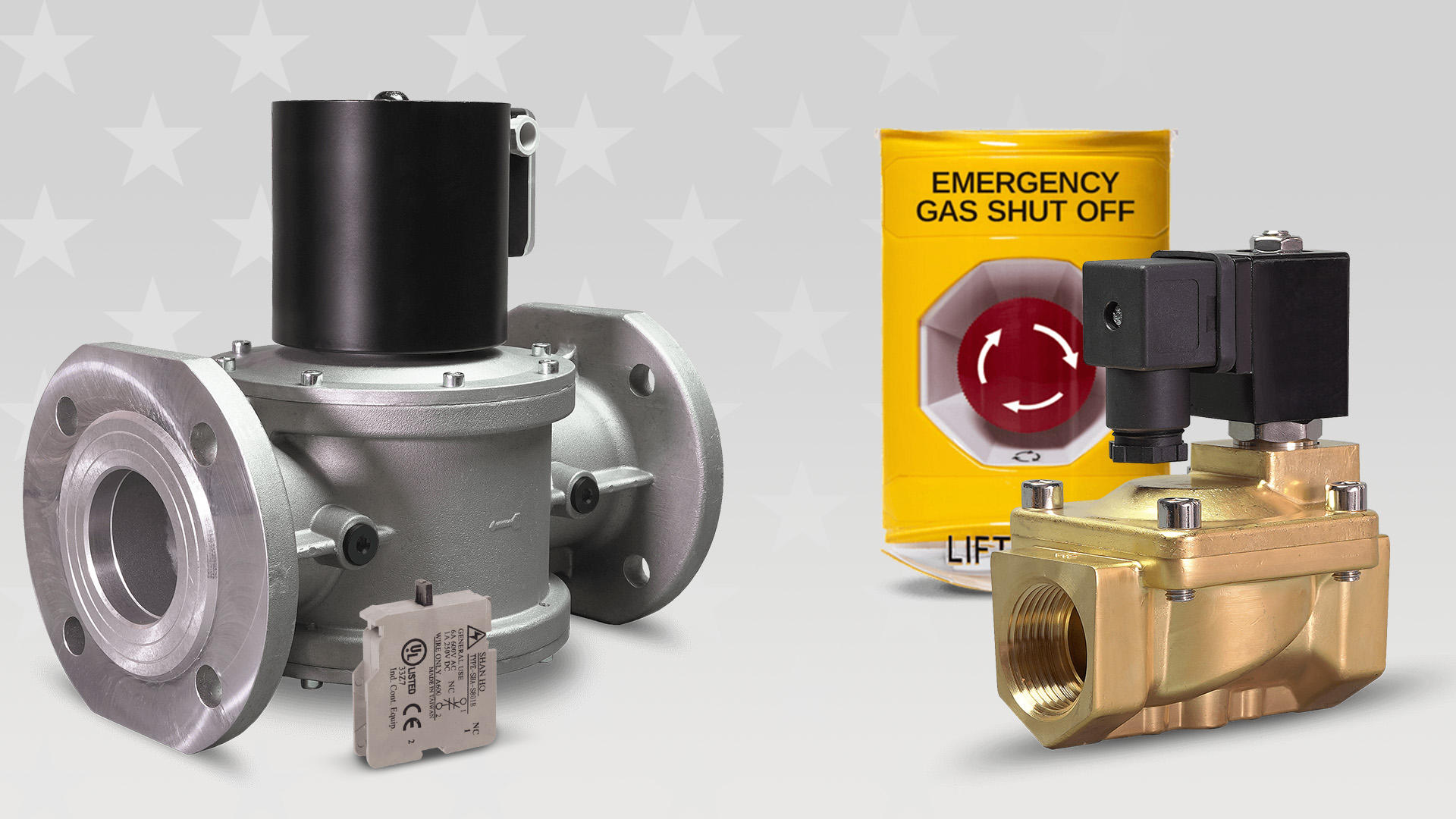
Water treatment projects are increasingly specifying direct-acting water solenoid valves. These valves can operate at low pressure, making them ideal for municipal water systems. marketresearch.com As cities and utilities upgrade infrastructure, installers will need to master these valve types in both new and retrofit contexts.
—
Best Practices for Installers:
Pre-qualification: Before installation, verify the valve’s communication capability. Does it support diagnostics or remote monitoring?
Commissioning: Set up valve diagnostics during commissioning. Confirm signal feedback and run test cycles.
Maintenance workflow: Plan for remote or predictive maintenance. If the valve supports health monitoring, include it in your service contract.
Training: Upskill your team on smarter valve setup and remote diagnostic tools.
—
Conclusion:
The solenoid valve market is evolving, and that’s a clear win for installers. There’s a growing need for smarter, more capable valve installations. Investing now in skills and tools for IoT-connected, direct-acting, high-automation valves will pay off in opportunity and revenue.