
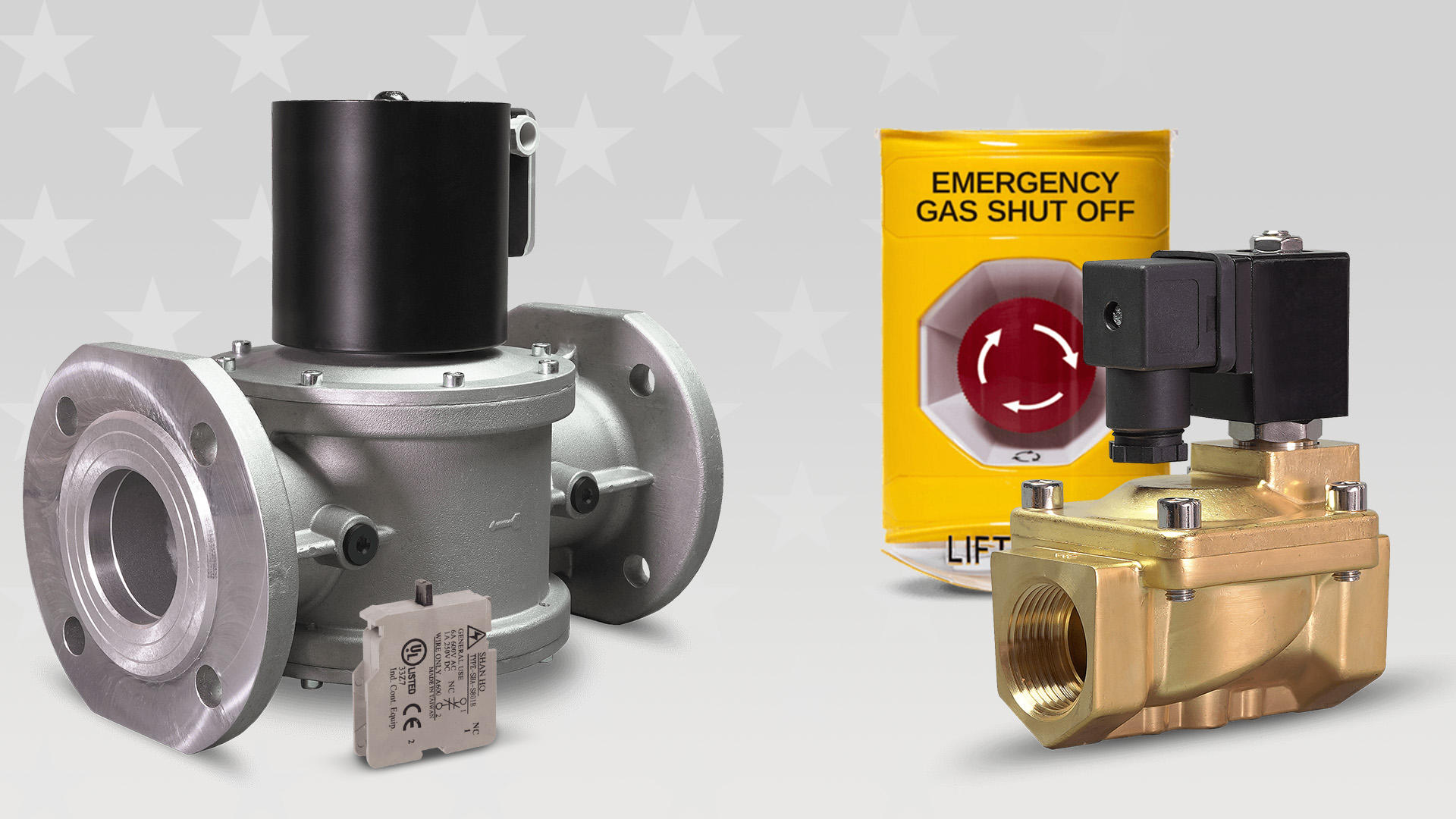
Gas Solenoid Valve Market Forecast: What Growth Means for Industry
The global gas solenoid valve market is set for steady growth. According to recent analysis, the sector will expand from around USD 2.15 billion in 2023 to USD 3.17 billion by 2032. That is a compound annual growth rate of roughly 4.4% over the next decade. For project managers, installers, and decision makers, this growth tells us where demand is heading and how technology is being adopted across industries.
Why demand is rising
The rise in building automation, smart energy systems, and safety compliance is driving uptake. Solenoid valves sit at the centre of these systems. They provide reliable shut-off, accurate control, and integration with digital monitoring platforms. Industries such as oil and gas, chemicals, manufacturing, and commercial buildings are investing in modern control systems. Each upgrade increases the requirement for solenoid valves that are efficient, safe, and compliant.
Opportunities for installers
For installers, a growing market means a steady pipeline of projects. As customers invest in energy-efficient and safer systems, demand for skilled installation grows. Valves are not simply “plug and play.” Each application requires understanding fluid properties, pressure ranges, and standards such as ANSI and ASME. Installers who can combine practical experience with knowledge of compliance will be better positioned to win work.
What it means for project managers
For project managers, growth in the valve market means greater choice. The number of manufacturers and distributors is rising, and so are the product options. This creates opportunities, but also challenges. Not every product is suited to every environment. Matching the right valve to the application remains essential. Factors such as media compatibility, temperature range, electrical requirements, and maintenance cycles all affect system performance.
Project managers should also note that rising demand can cause supply chain pressure. Lead times on critical components may lengthen as projects across multiple sectors compete for capacity. Building flexibility into schedules and sourcing plans will reduce the risk of delays.
Regulatory drivers
Across America, safety codes and energy regulations continue to tighten. Gas systems in particular are under scrutiny due to safety risks and emissions rules. Solenoid valves that meet the latest standards are not optional, they are essential. This regulatory pressure is one of the biggest forces behind the projected growth, and it is unlikely to ease.
Final thoughts
The forecasted increase in the gas solenoid valve market is more than a statistic. It reflects the growing importance of reliable flow control in safe, efficient, and sustainable systems. For installers, the opportunity lies in sharpening technical skills. For project managers, it lies in careful specification and planning. The market may be worth billions by 2032, but its value to any project depends on selecting the right component for the job.