
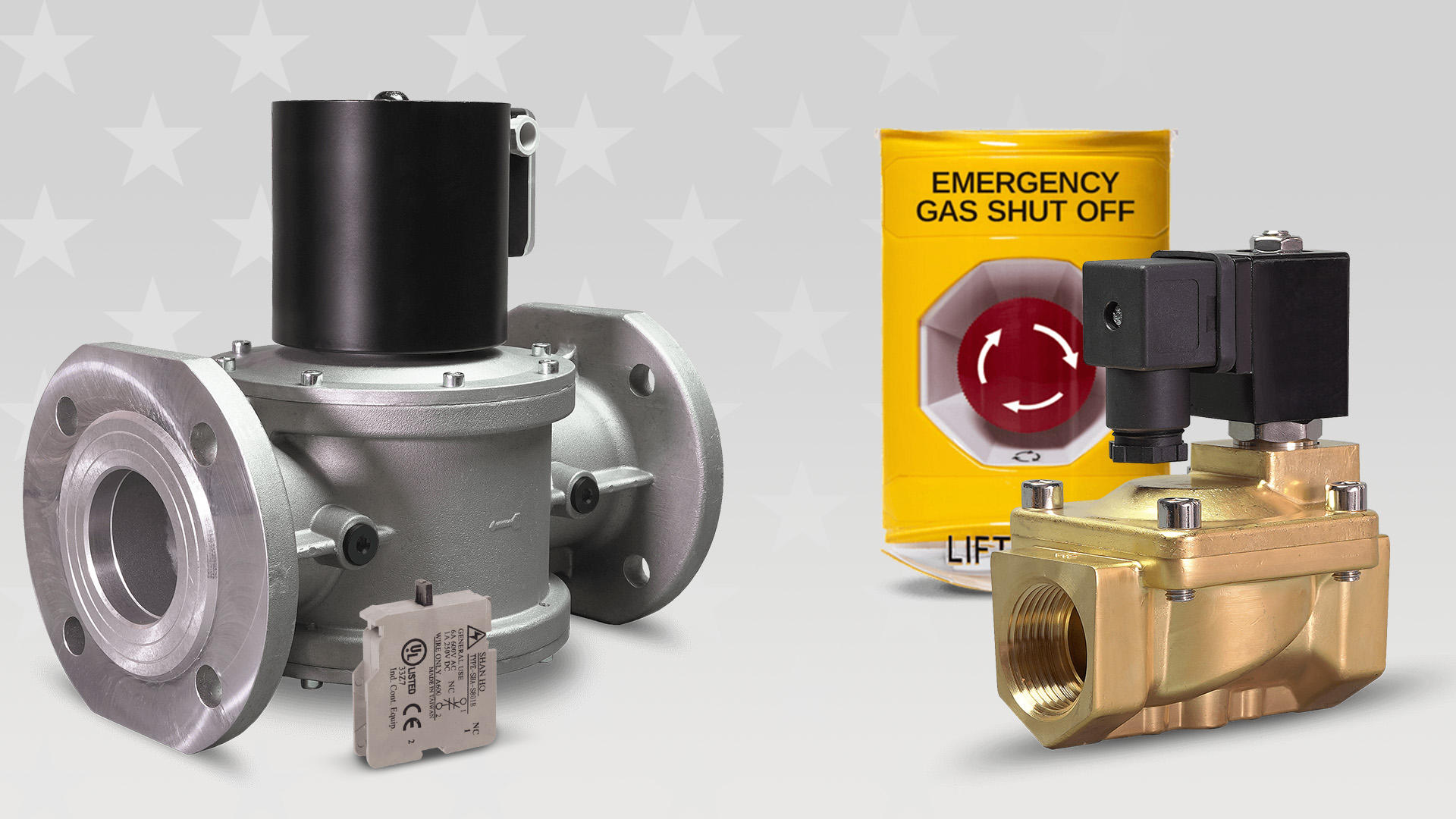
Why emission-safe gas solenoid valves matter in modern systems
Gas control systems in industrial and energy sectors must deliver safety, reliability and environmental compliance. The new wave of zero-emissions electric dump valves from Emerson (ASCO™) represents a shift in how we balance these demands.
What is a zero-emissions dump valve?
Traditional dump valves release unneeded gas (venting) or leak through packing; both paths contribute to fugitive emissions. Emerson’s design removes packing and uses an all-electric actuation method. The result: no path for leakage and no venting during actuation.
They operate in 50–75 milliseconds (versus seconds for conventional valves), reducing blowby and stabilising system pressures faster.
Why it matters now
- Regulatory risk: States and the EPA are setting tighter rules and penalties on methane emissions. Leaks cost you, financially and reputationally.
- Operational cost: Eliminating packing means zero maintenance for that component. Fewer leaks mean less gas loss.
- Integration: Fast response times match modern control systems and SCADA strategies.
- Retrofit and new projects: The valves are suited for both new installations and upgrades of legacy wells. Laramie Energy used them across new and existing sites.
Key considerations for project managers
- Pressure rating: Ensure the valve matches system pressure and fluid properties.
- Electric power supply: The valve must operate reliably under supplied voltage conditions.
- Control system interface: The actuation speed must integrate well with your control logic.
- Environmental conditions: Account for temperature swings, vibration, and potential contaminants.
- Safety margins: Even “safe” valves need protective systems, diagnostics, and redundancy where required.
Challenges and trade-offs
- Upfront cost: Advanced valves often cost more. The savings in emissions and maintenance must justify it.
- Qualification and verification: New designs require tests, certifications and trust from stakeholders.
- System change management: Replacing traditional valves forces you to review wiring, control sequencing and possibly mechanical interfaces.
Conclusion
Zero-emissions gas solenoid valves are not just a niche innovation; they offer a tangible path toward compliance, lower emissions and greater reliability in modern control systems. As project managers, specifying the right valve is part of risk management, not just component selection. If you’re planning or upgrading gas systems, consider how your valve choices affect emissions, maintenance and long-term performance.